The Evidence, Explained
Evidence-informed insights on musculoskeletal health, fascial mechanics, and the research shaping how we practice. Written for people who want to understand what is actually happening in their bodies — not just what to do about it.

Your Chair Is Doing More Than You Think: The Science of What Happens When You Sit
Within ten minutes of sitting down, your postural muscles go electrically silent. Within thirty minutes, a measurable change has begun in the fluid environment of your deep fascial tissue. The research most people haven't seen — explained clearly.
Read article →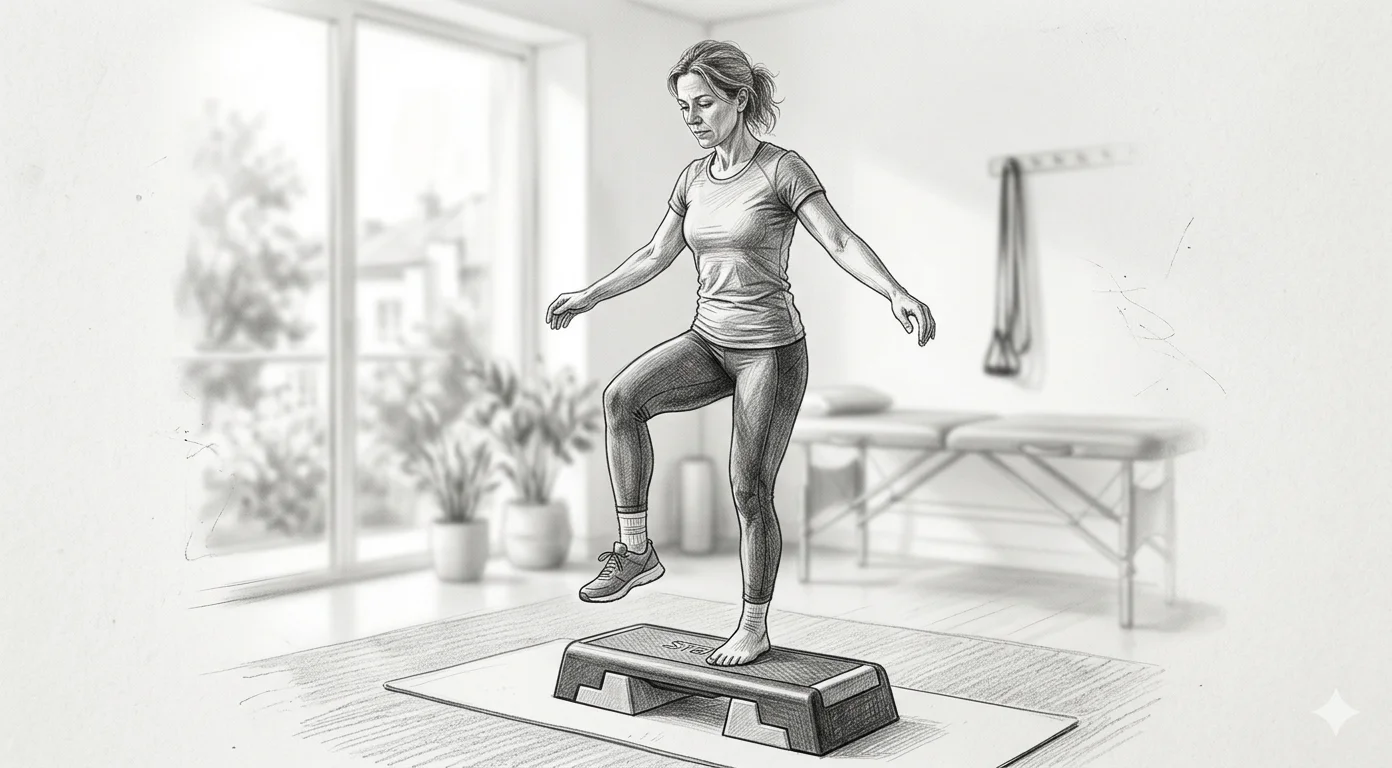
“Lazy Glutes” Is the Wrong Diagnosis — Here’s What’s Actually Going On
Gluteal dysfunction is real, but “lazy glutes” conflates four measurable problems. An evidence-based guide to the back, hip and knee presentations it drives — and what treatment actually requires.
Read →
Why Core Exercises Don't Always Fix Low Back Pain — Understanding the Lateral Raphe
Why do core exercises sometimes aggravate back pain instead of fixing it? The lateral raphe — where your abdominal and paraspinal muscles must load together — is often the key.
Read →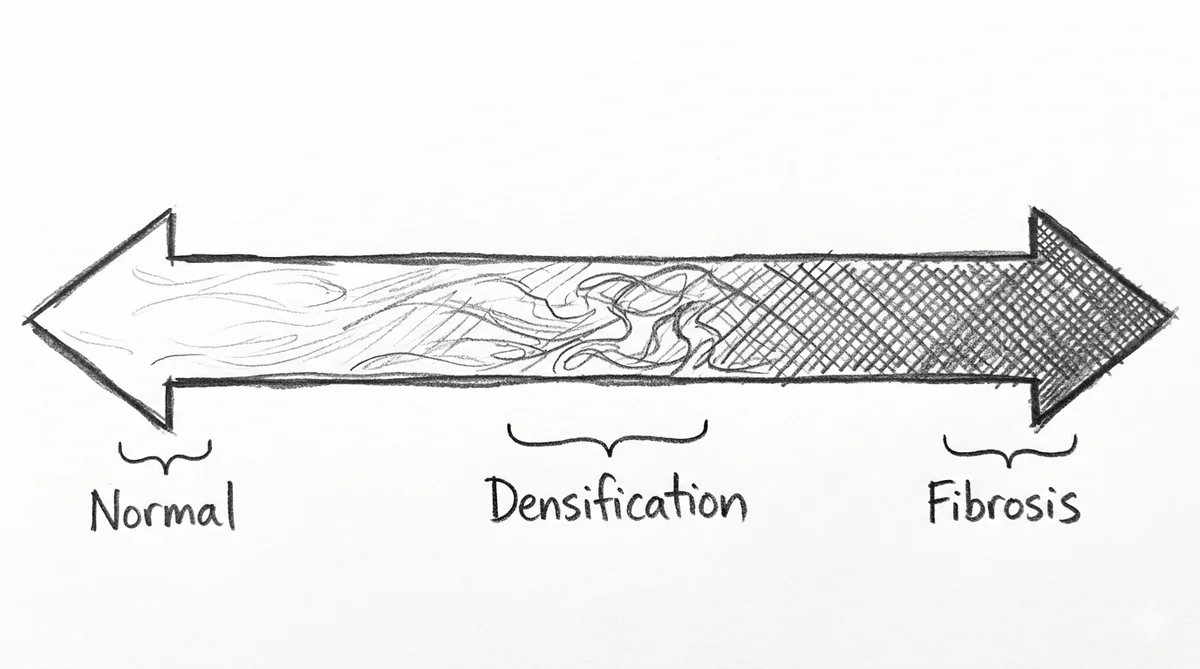
From Fluid to Fixed: Is Fascial Densification the Early Stage of Something Bigger?
Does fascial densification progress to fibrosis? We explore the biology, the imaging evidence, and what surgical studies reveal about the spectrum of fascial change.
Read →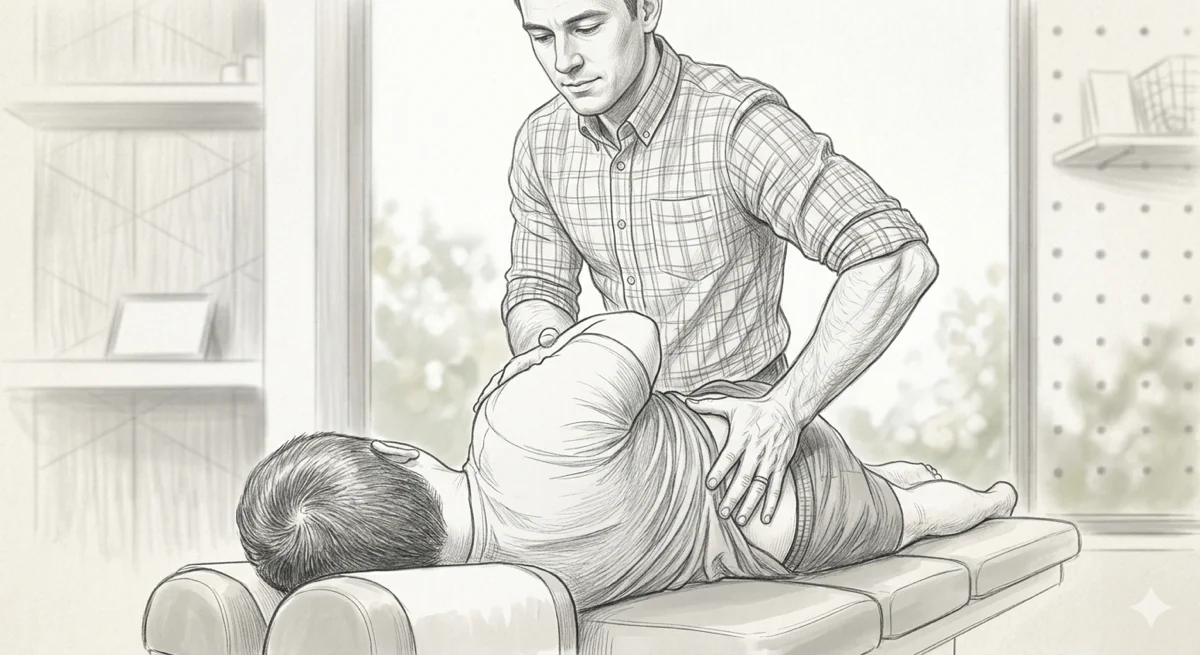
More Than a Click: The Neuroscience of Joint Manipulation
What actually happens when a joint is manipulated — from muscle spindle afferents and gate control at the spinal cord, to descending pain inhibition and the reversal of arthrogenic muscle inhibition.
Read →
The Fascial Critics Have a Point. They're Also Missing It.
A direct response to scepticism about fascial therapies — conceding what deserves to be conceded, and explaining why the treatment effect is at the extracellular matrix, not the collagen fibres.
Read →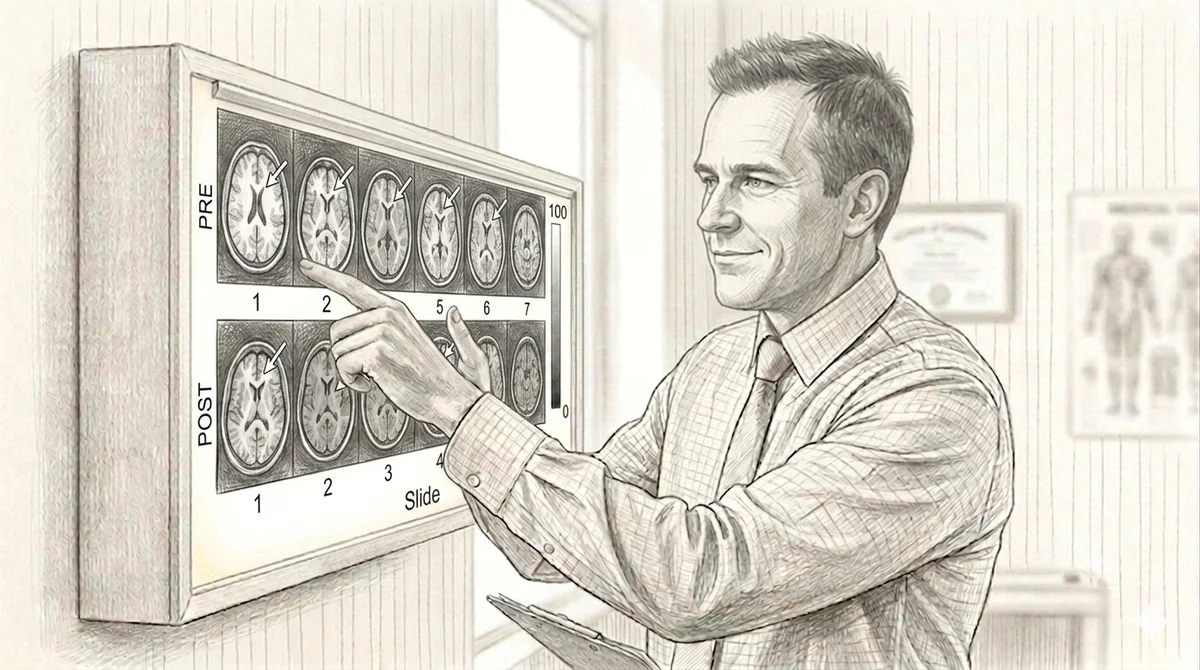
For the First Time, MRI Has Captured What Happens to Fascia After Manual Therapy
A 2020 study from NYU and Johns Hopkins used advanced MRI to image deep fascia before and after Fascial Manipulation. What it found was a first in the history of manual therapy research.
Read →
Sore After Treatment? What the Research Says Is Happening
Post-treatment soreness after manual therapy has a specific biological explanation involving hyaluronan fragments. It also explains why anti-inflammatories after fascial work may be counterproductive.
Read →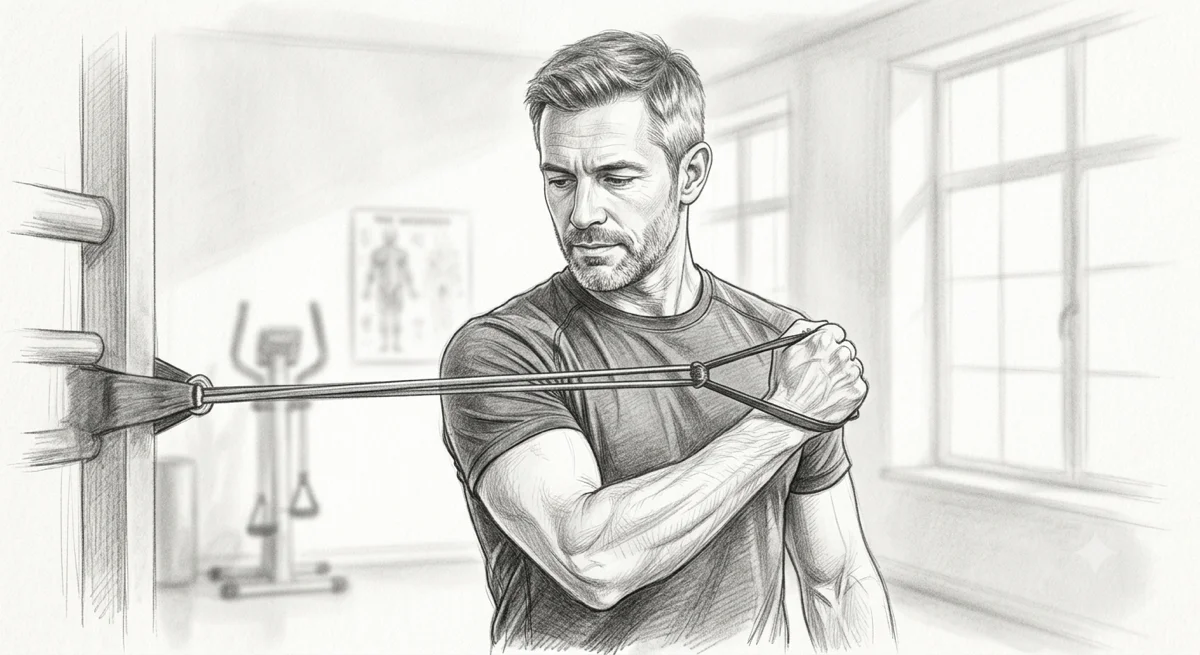
The Cortisone Shot Won at Six Weeks. Manual Therapy Won at 52.
A landmark BMJ trial followed 198 tennis elbow patients for a full year. The results reversed completely between the six-week and twelve-month marks — and explain why injection alone so often fails.
Read →
Why How You Breathe Can Influence Your Neck, Shoulder and Back Pain
How breathing mechanics directly load the neck, shoulders and lower back — what five RCTs show about the diaphragm's dual role and why poor breathing patterns sustain musculoskeletal pain.
Read →
The Panic-Breathing Loop: CO₂, the Nervous System, and Why Stretching Won't Fix It
CO₂, sympathetic activation and the self-reinforcing panic-breathing loop — why slow breathing alone isn't always enough, and what the research on respiratory retraining actually shows.
Read →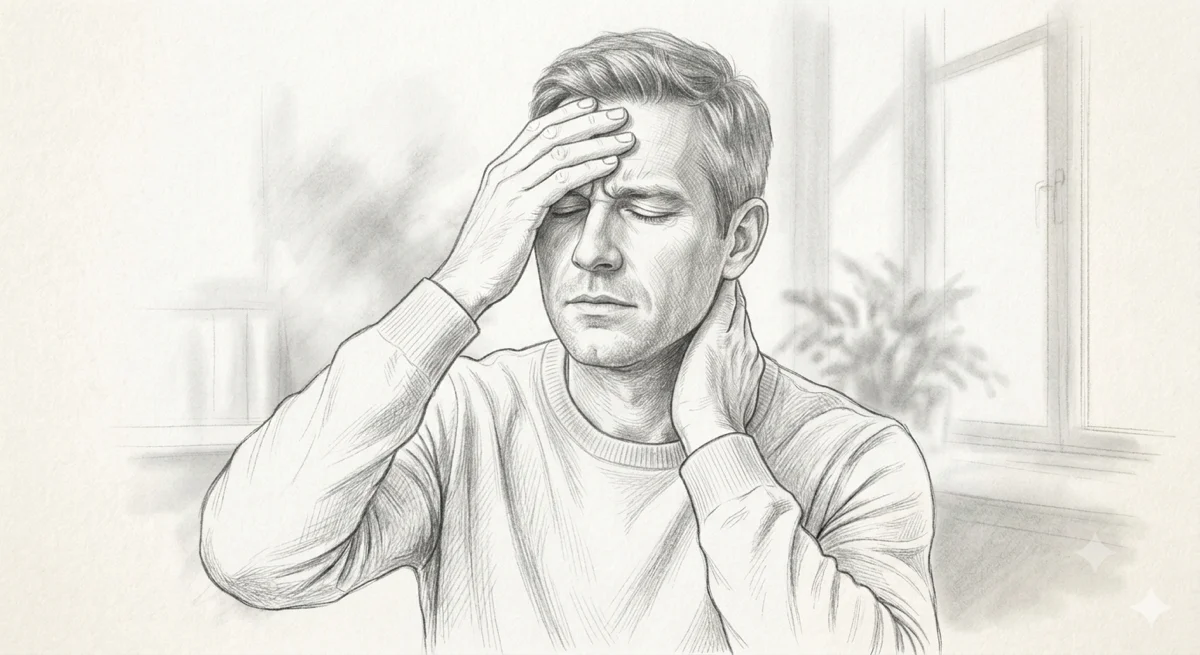
The Brainstem Blueprint: TCN & the Vestibulocerebellar System
Two overlapping neurological pathways explain why neck problems so often produce headache, dizziness, and visual disturbance simultaneously — and why assessment needs to span all of them.
Read →
Your Breath Is Running Your Brain: The Neuroscience of Respiratory Rhythm
The respiratory cycle coordinates global brain activity and drives CSF flow — the emerging neuroscience of how breathing rhythm shapes cognition, memory, and autonomic tone.
Read →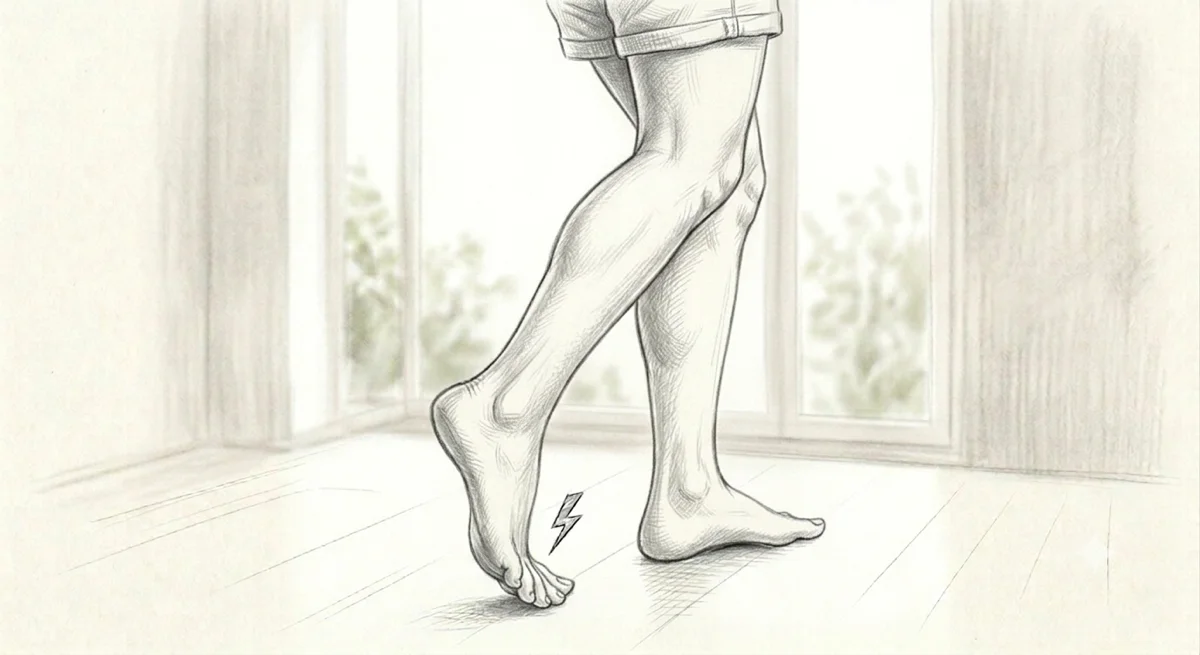
Functional Hallux Limitus: When Your Big Toe Is Driving Knee, Hip, and Plantar Fascia Pain
Restricted first MTP dorsiflexion under load is one of the most consistently unassessed findings in lower limb presentations. The biomechanical chain from big toe to hip — explained.
Read →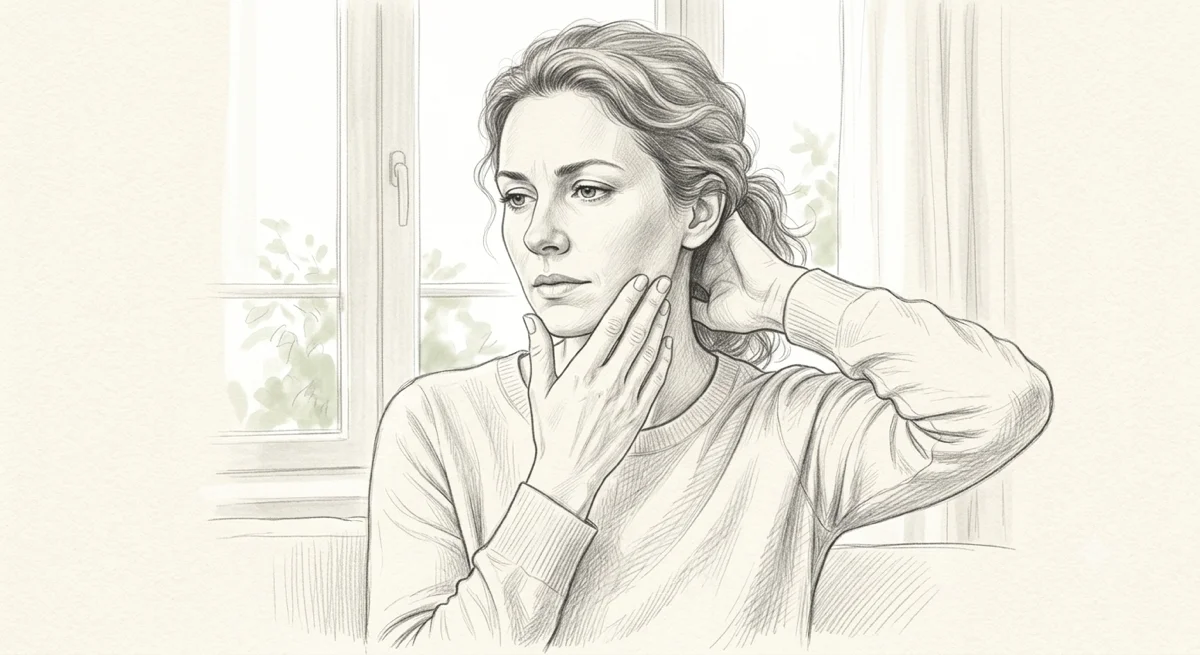
The Neck, Jaw & Headache Connection
The trigeminal cervical nucleus connects the jaw, upper cervical spine, and headache in a single anatomical pathway. Understanding this circuit changes how these presentations are assessed and treated.
Read →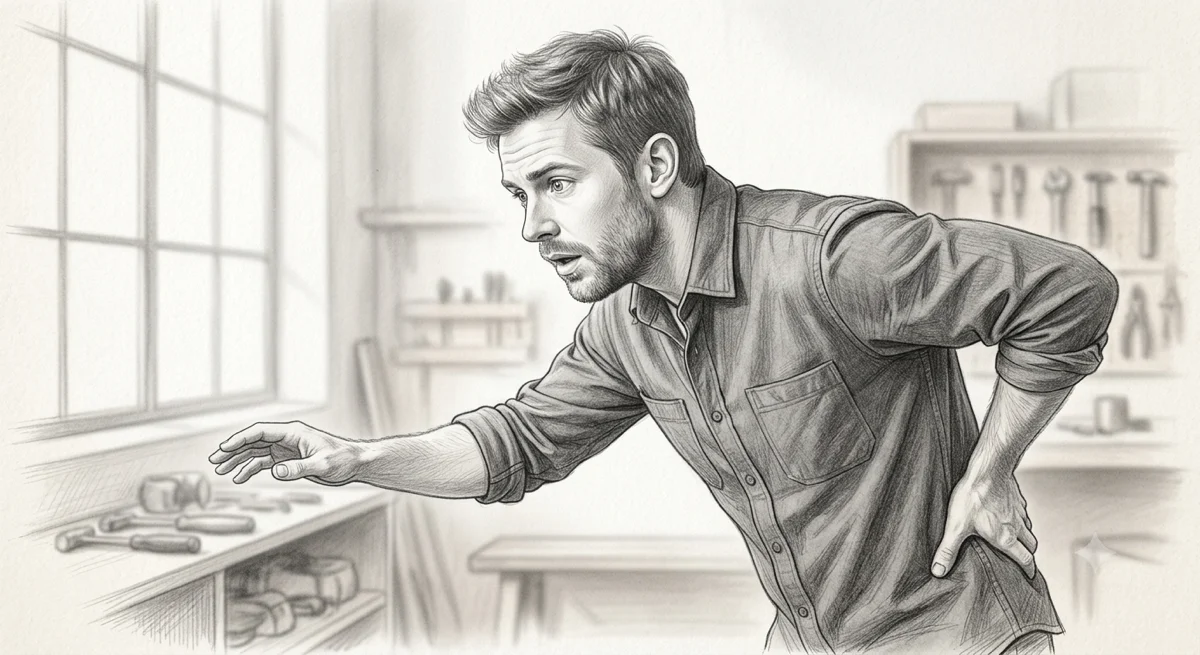
The Fascial Approach to Lower Back Pain
The thoracolumbar fascia and the four myofascial slings that converge on it form the load-sharing architecture of the lower back. Why treatment focused only on the pain site so often misses the bigger picture.
Read →
The Fascial Approach to Shoulder Pain
Shoulder pain rarely begins in the shoulder. The scapular stabilisers, thoracic spine, and cervical fascia all contribute to how load reaches the rotator cuff — and what needs to be addressed.
Read →
Why Knee Pain Is Rarely Just a Knee Problem
Knee pain is almost always a hip and ankle problem expressed at the knee. The research on why treating the knee alone — without the chain above and below it — produces incomplete results.
Read →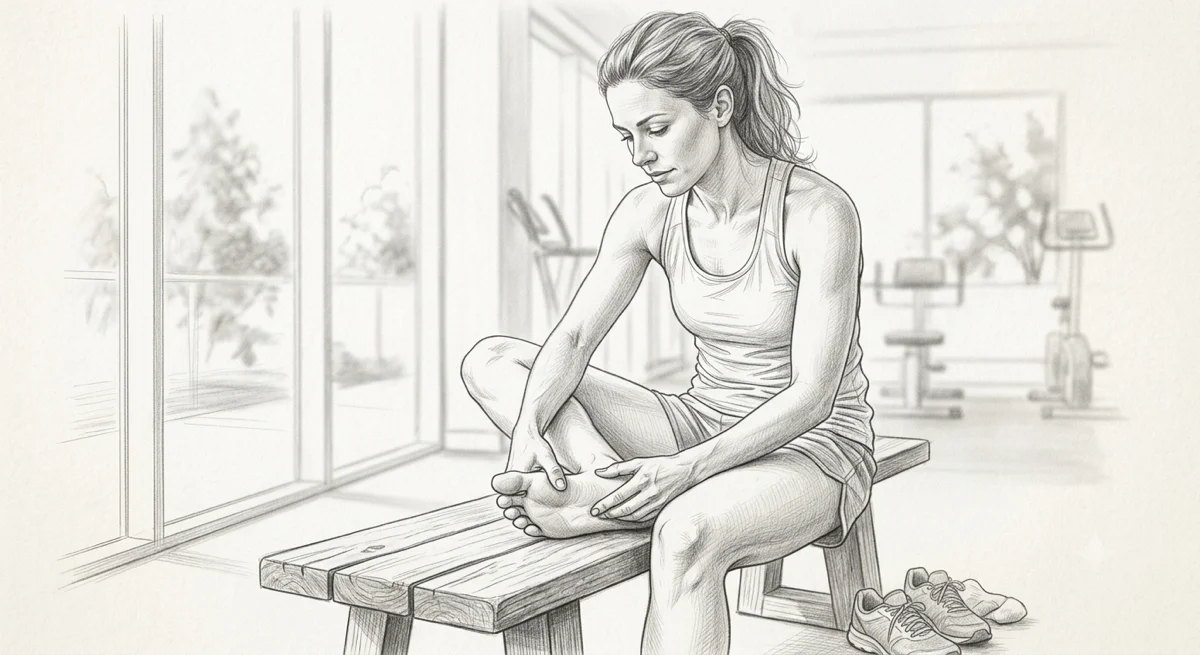
Why Foot & Ankle Pain Is Never Just a Foot Problem
The plantar fascia is a sensorimotor organ, not just a passive structure. Why conditions from plantar fasciopathy to chronic ankle instability are rarely resolved by local treatment alone.
Read →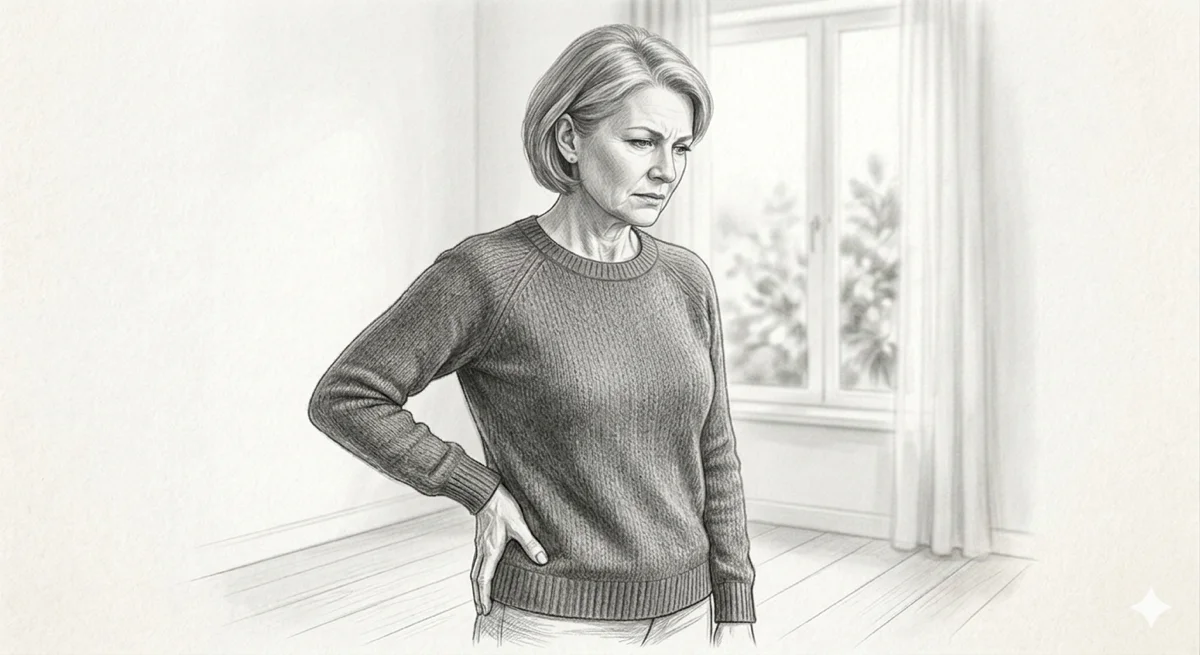
The Hip: Why Getting to the Root Requires More Than Imaging
Hip pain in active people is frequently misattributed to imaging findings that don't correlate with symptoms. The research on gluteal tendinopathy, FAI, and proximal hamstring problems.
Read →
The Elbow, Wrist & Hand: Why Treating the Site Is Rarely Enough
From tennis elbow to carpal tunnel to trigger finger — the cervical spine, fascial loading, and tendon biology all contribute. Why local treatment alone so often produces incomplete results.
Read →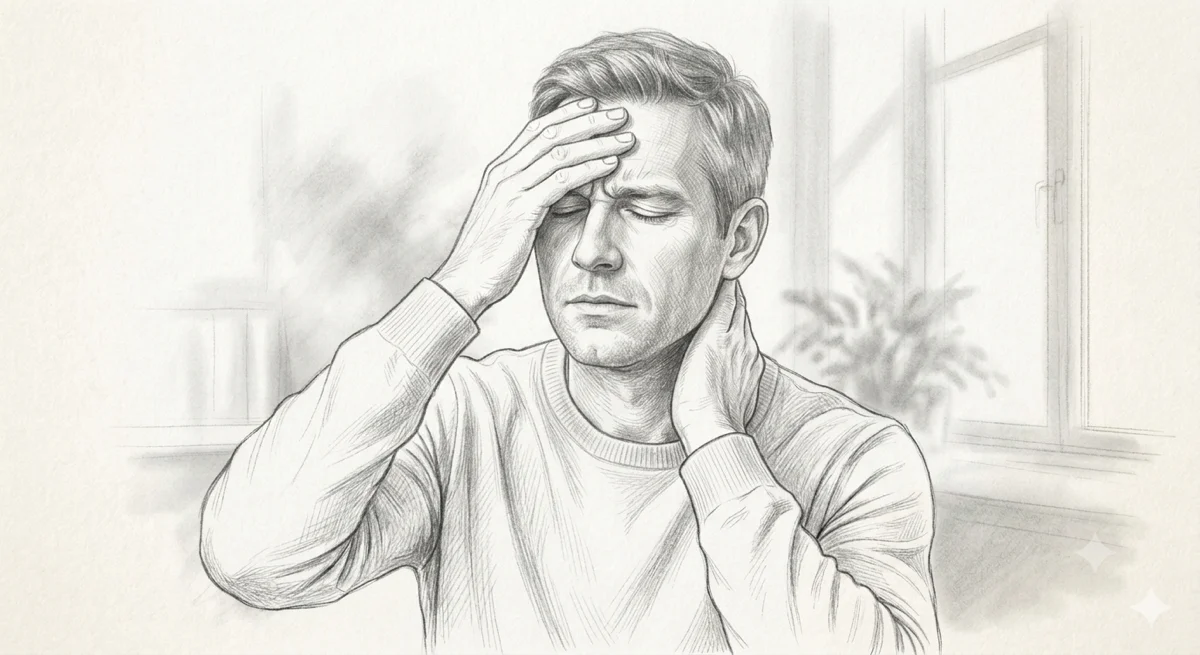
The Cervical Spine: Where Neck Pain, Headache & Dizziness Converge
The upper cervical spine sits at the intersection of nine distinct conditions. One assessment framework — and why they need to be considered together rather than treated in isolation.
Read →