Neck assessment at Elevate Health Care covers the neck itself, the upper back and ribs it sits on, and the shoulder blades that load it through the day. Conditions commonly assessed include neck pain related to desk work, cervicogenic headache, cervical facet syndrome, cervical radiculopathy, whiplash-associated disorder and cervical myofascial pain. Treatment combines Fascial Manipulation by Stecco with movement rehabilitation.
Is your headache coming from your neck?
Headaches that start at the base of the skull, sit on one side, and worsen with neck movement or sustained postures often have a cervical source. This is called cervicogenic headache — a headache driven by the neck rather than originating in the head itself.
The anatomical reason is a convergence point in the brainstem where sensory input from the upper neck and sensory input from the head and face arrive at the same relay. Input from one can be experienced as pain in the other, which is why an irritated upper cervical segment can be felt behind the eye or across the temple.
It's frequently mistaken for tension-type headache or migraine, and the distinction matters because it changes what's worth treating.
→ Cervicogenic Headache — the full picture, including how it's distinguished
→ Headache — if your pattern looks more like tension-type headache or migraine
→ The cervical spine: where neck pain, headache and dizziness converge — the deep dive, with references
Neck, shoulder, or both?
Very often it's both. "Neck and shoulder pain" is how most people describe it, and in clinical practice the two rarely present separately — the shoulder blade's position on the ribcage is controlled by muscle and fascia running from the neck and upper back, so a neck that isn't working well changes how the shoulder is loaded.
If the pain is more shoulder than neck — worse reaching overhead, or nagging at night — start with shoulder pain instead.
What we assess
- The neck itself — joint movement segment by segment, deep cervical flexor function, muscle tone and tenderness
- The upper back and ribs — thoracic mobility, because a stiff upper back leaves the neck doing its work
- The shoulder blades — position and control, and how they load the neck through the day
- The fascial system — densification through the cervical and thoracic region, using Fascial Manipulation by Stecco
- Nerve involvement — where symptoms travel into the arm, and whether strength, reflexes or sensation are affected
- What suits you — manipulation is one tool among several, not the default. Fascial Manipulation and movement rehabilitation carry much of the work, and what we use is a conversation, not a given
- Your load — desk setup, screen height, sleep position, training, and what changed before it started
Neck conditions we commonly assess and treat
Neck Pain in Desk Workers
Postural loading, deep cervical flexor inhibition, and the fascial drivers of desk worker neck pain.
Learn more →Cervicogenic Headache
Headache originating from the upper cervical spine — diagnosis and manual therapy evidence.
Learn more →Cervical Facet Syndrome
Facet-mediated neck pain and referred patterns into the head and shoulder.
Learn more →Cervical Radiculopathy
Nerve root compression — diagnosis, natural history, and conservative management.
Learn more →Whiplash / Chronic WAD
Whiplash-associated disorders — the central sensitisation model and rehabilitation approach.
Learn more →Muscle Knots in the Neck
Trigger points in the neck and shoulder muscles that refer pain into the head, eye and temple.
Learn more →Related: headache and dizziness
The neck contributes to some headache and dizziness presentations, and not to others. Both have their own section of the site:
→ Headache — tension-type headache and the musculoskeletal contribution to migraine
→ Dizziness & Vertigo — BPPV, cervicogenic dizziness and somatosensory tinnitus
If you're not sure which fits, the condition finder will point you to the most relevant reading.
When neck pain isn't musculoskeletal
Most neck pain is musculoskeletal. A small number of presentations need urgent medical assessment rather than ours.
Seek urgent medical care if neck pain comes with:
- Sudden, severe neck pain or headache unlike any you've had before — particularly with dizziness, visual changes, slurred speech, difficulty swallowing, or unsteadiness
- A new headache in someone over 50, particularly with scalp tenderness, pain in the jaw when chewing, or any change in vision — this needs same-day medical assessment
- Clumsiness in the hands, dropping things, changes in walking or balance, or symptoms in both arms or legs — these can indicate pressure on the spinal cord
- Significant trauma — a fall, collision or accident, especially with midline tenderness
- Fever, unexplained weight loss, or night pain that is unrelenting and unrelated to position
- New weakness in the arm or hand, as distinct from pain or pins and needles
If you're unsure, call your GP or present to an emergency department. This page is general information, not advice about your situation.
Some neck and shoulder stiffness needs a blood test, not a treatment table
Widespread stiffness across both shoulders and hips, worst in the morning and taking a long time to ease, coming on over weeks in someone over 50, can point to an inflammatory cause that is diagnosed on blood tests and managed medically. If your pattern looks like that, we'll say so and send you to your GP — it's a common enough reason for us to refer people on.
Your first visit
A 60-minute initial consultation: history, physical assessment of the neck, upper back and shoulder girdle, a neurological screen where your symptoms call for it, an explanation of what we've found, and treatment starting the same visit where appropriate.
No referral is required. If imaging is needed, we'll arrange it. If someone else is better placed to help, we'll say so.
Not ready to book? Start with the free course
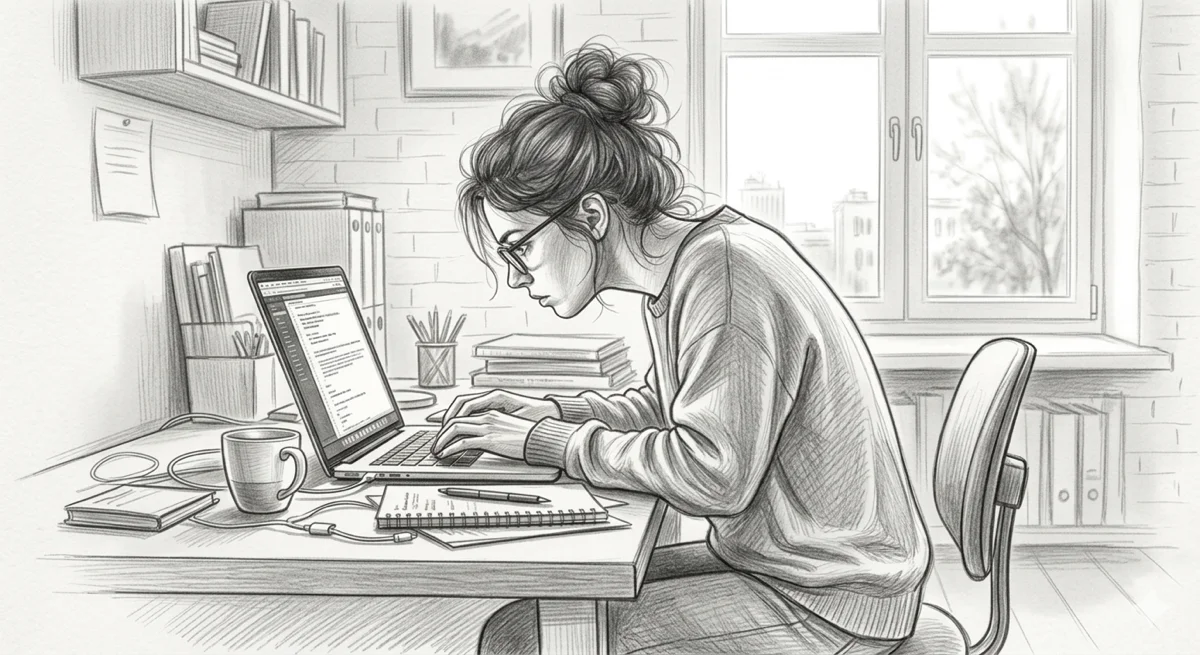
Understand what a sedentary working day actually does to your body — and the small, evidence-backed changes that make the biggest difference.
It's education rather than a rehab protocol: it won't assess your neck, and it isn't a substitute for one. But if your neck is worst by the end of a work day, it addresses the thing that's driving it.
- What Sitting Does to Your Body
- The Research Most People Haven't Seen
- The Musculoskeletal Consequence
- What Actually Works
- The Long Game
Frequently Asked Questions
Please note: The information on this page describes our general clinical approach and is intended for educational purposes only. Individual presentations vary, and your assessment and management will be tailored specifically to you. Nothing on this page constitutes clinical advice for your individual situation. Please consult a registered health practitioner for advice about your specific condition.